πŸ”’ BiomedRx Inside β€” join our private members network & connect with the BiomedRx family Enter →
Hearing Care On Wheels

Mobile audiology that comes to you.

Mobile Audiology Service delivers comprehensive hearing screening and testing in a state-of-the-art mobile booth. Audiometric testing, tympanometry, OAE screening, hearing aid fitting and verification, industrial hearing conservation programs, and school screening β€” on your site, same-day service.

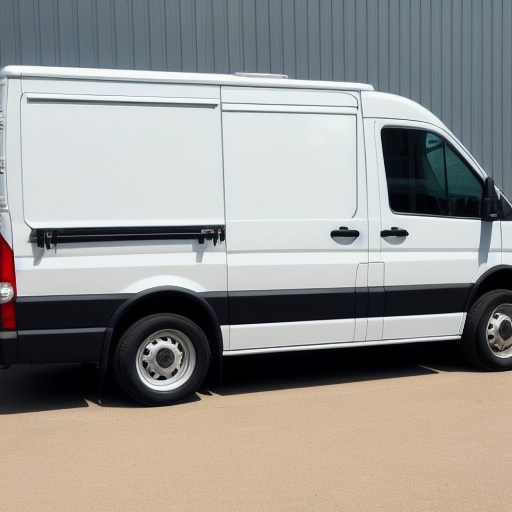
Mobile audiology van and audiometric testing
80%
Compliance Improvement
ANSI
S3.6 Certified
Medicare
Direct Access 2026
100+
Sites Served Annually
Mobile Audiology Service Field β€” AI-powered field-service mobile app; automatic online service reports, work-order dispatch, and closeout

Comprehensive Audiology Services

Mobile audiometric testing, tympanometry, OAE screening, hearing aid verification, industrial conservation programs, and school screening in a fully equipped on-site booth.

βœ“

Mobile Audiometric Testing

ANSI S3.6 compliant hearing tests in a calibrated soundproof mobile booth.

βœ“

Tympanometry

Eustachian tube function and middle ear pressure assessment.

βœ“

OAE Screening

Otoacoustic emissions testing for newborn and pediatric hearing screening.

βœ“

Hearing Aid Verification

Real-ear measurements and programming verification for hearing aid fittings.

βœ“

Industrial Hearing Conservation

OSHA baseline and annual surveillance for noise-exposed workers.

βœ“

School Screening Programs

K-12 hearing screening with referral coordination and documentation.

Detailed service guides

How each of these is actually run on site, what the standards require, and where the usual mistakes happen.

Pure-Tone Audiometric Testing

Mobile pure-tone audiometric testing for workplace hearing conservation - baseline and annual audiograms, calibrated equipment, ambient noise…

Tympanometry & Otoacoustic Emissions

Middle ear analysis and otoacoustic emissions testing alongside audiometry - separating conductive from sensorineural findings and objective testing…

Hearing Conservation Recordkeeping

Audiometric and noise exposure recordkeeping under OSHA 1910.95 - retention periods, employee access rights, transfer on business sale and what an…

Audiology & Hearing Health News

Industry updates, Medicare coverage changes, and field stories from mobile audiology programs.

Oct 222026 comment deadlineANSI S3.6audiometer calibrationBoothlesson-site testing
Educational

DOL Opens a Comment Window on How Occupational Hearing Loss Is Tested

On June 23, 2026 the Department of Labor's Office of Workers' Compensation Programs opened a public comment period on the quality standards used to evaluate occupational hearing loss under the Longshore and Harbor Workers' Compensation Act. The core question is whether the pure-tone audiogram should remain the primary standard or whether objective tests — auditory brainstem response, auditory steady-state response, and otoacoustic emissions — should play a larger role. Comments are due October 22, 2026.

The agency is inviting input from audiologists, otolaryngologists, employers, employees, and insurers on the comparative reliability of these methods and on the criteria used to judge hearing impairment. However the rulemaking lands, it signals that measurement quality is back at the center of the conversation.

For now the operating standard is unchanged: OSHA's 1910.95 hearing-conservation program with baseline and annual audiograms once exposures reach 85 dBA, on audiometers calibrated to ANSI S3.6.

The Federal Register notice is explicit that it proposes nothing yet: it is a request for information, and the Department says the responses will inform whether updates to the existing quality standards should be considered at all. That is worth reading carefully before anyone re-tools a program. Employers, insurers, audiologists, otolaryngologists and medical associations are all invited to comment on the comparative reliability and validity of audiograms against ABR, ASSR and otoacoustic emissions, on how those tests are currently administered, and on the criteria used to judge impairment. Comments go through the Federal eRulemaking Portal at regulations.gov.

Nothing about the day-to-day obligation changes in the meantime. Under 29 CFR 1910.95 a hearing conservation program is triggered at an eight-hour time-weighted average of 85 dBA; a baseline audiogram is due within six months of first exposure at or above that action level, or within a year where a mobile audiometric testing unit is used; testing is annual thereafter, at no cost to the employee; and audiometric records are retained for the duration of employment while noise-exposure measurements are kept at least two years. The mobile-unit allowance is not a loophole — it is written into the standard.

Sources: U.S. DOL / OWCP — June 23, 2026; Federal Register — RFI; Federal Register — RFI 2026-12644
August 2, 20268 min read
Informative

Boothless Audiometry Comes of Age

For decades a defensible hearing test meant a sound booth. Portable audiometry has closed much of that gap: devices with circumaural attenuation and continuous ambient-noise monitoring can deliver ANSI-compliant pure-tone testing in an ordinary room, verifying in real time that background levels stay within limits and flagging any test where they do not.

That capability is what makes true on-site hearing conservation possible — testing a rotating workforce at the worksite instead of busing crews to a clinic. The trade is not accuracy for convenience; it is a booth for an instrument that proves its own test conditions, provided calibration and technique stay disciplined.

The reason this matters is scale. NIOSH puts the number of U.S. workers exposed to hazardous noise at about 27 million a year, with roughly 22 million more exposed to ototoxic chemicals, and estimates that about one in nine people in the working population already has hearing difficulty. Occupational hearing loss is permanent, and it is one of the most common work-related illnesses in the country — yet it is also, in NIOSH's own framing, nearly always preventable. Prevention at that scale does not happen if the test requires a booth and a day off.

Boothless does not mean unregulated. ANSI/ASA S3.1 sets maximum permissible ambient noise levels for audiometric test spaces across octave and one-third-octave bands from 125 Hz to 8000 Hz, and a compliant portable system monitors against those limits continuously rather than assuming a quiet room stays quiet. When a forklift passes and the low-frequency bands spike, the software flags the affected thresholds instead of quietly recording them. That single behaviour — refusing to certify a test the conditions did not support — is what makes on-site results defensible.

Sources: Mobile Health — Occupational Screening; OSHA — 1910.95; NIOSH — Occupational Hearing Loss

July 26, 20266 min read
Field Notes

Field Notes: Calibrating to ANSI S3.6 in a Trailer

A hearing test taken in a trailer is only as good as the instrument behind it, so calibration is the first task of the day, not an afterthought. Biological and electroacoustic checks confirm the audiometer is reading true before the first worker sits down, and the ambient-noise monitor stays on throughout.

The habit that keeps mobile results defensible is documentation: calibration state, test conditions, and result tied to each person, every time. Treat each deployment like a small regulated lab and a result taken on-site stands up exactly like one from a fixed clinic.

Who performs the test is also part of the standard. OSHA permits audiometric testing by a licensed or certified audiologist, an otolaryngologist or other physician, or by a technician certified by the Council for Accreditation in Occupational Hearing Conservation — or one who has otherwise demonstrated competence in administering audiometry, obtaining valid audiograms, and properly using, maintaining and checking the calibration and function of the audiometers in use. Note how much of that sentence is about the equipment: competence with the instrument is written into the qualification itself.

The rest is habit. Daily biological and listening checks before the first worker sits down. Transducers kept with the audiometer they were calibrated against. Periodic electroacoustic calibration on a documented cycle, with the certificate on file rather than in someone's van. Ambient monitoring running for the whole session. Each result tied to the right person, the right date and the right test conditions. Treat a mobile deployment like a small regulated laboratory and its audiograms hold up in a comparison years later — which, in occupational hearing conservation, is the only test that matters.

Sources: OSHA — 1910.95; OSHA 29 CFR 1910.95

July 20, 20265 min read
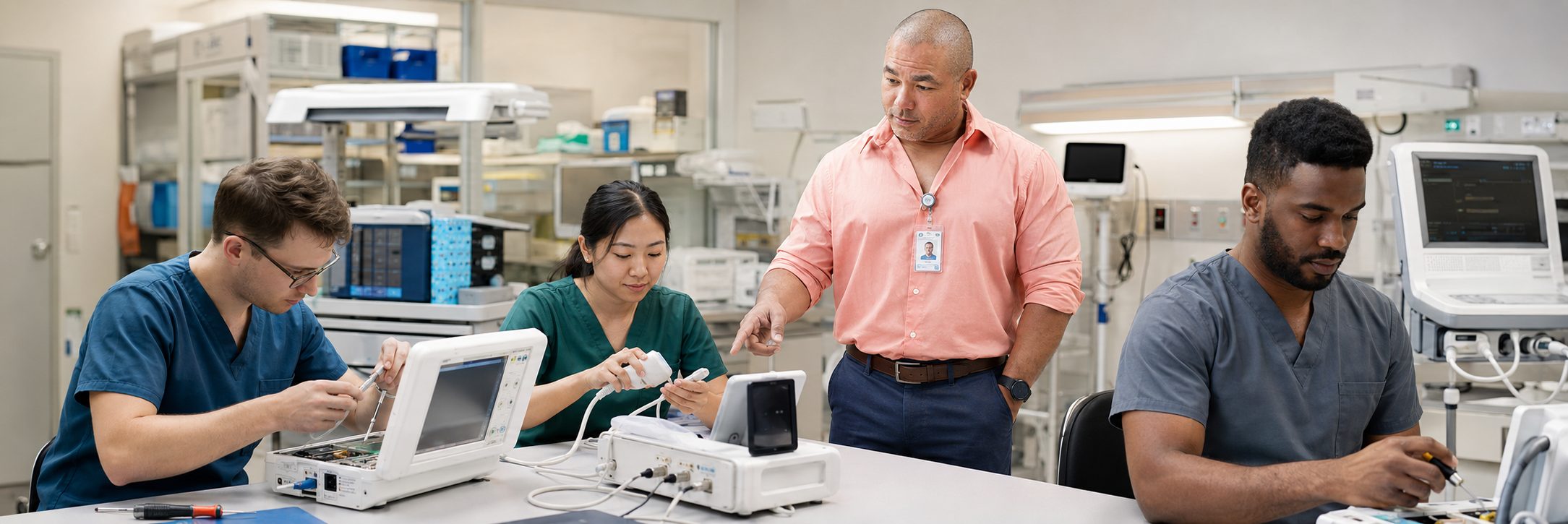
Medical imaging equipment service on a cath lab C-arm and patient monitoring system

Schedule your hearing assessment.

Tell us your location and population to serve. We bring comprehensive audiology testing on-site.

2026 Hearing Conservation Update

The standards, statistics, and technology shaping mobile audiology and workplace hearing protection this year.

βœ“

OSHA's Hearing Conservation Standard

OSHA's standard (29 CFR 1910.95) requires a hearing conservation program for workers exposed at or above 85 dBA averaged over 8 hours β€” including noise monitoring, annual audiometric testing, hearing protection, training, and recordkeeping. Source: OSHA 29 CFR 1910.95; industry reporting, 2026.

βœ“

Preventable, but Permanent

About 22 million U.S. workers face hazardous workplace noise each year. Noise-induced hearing loss is permanent once it develops β€” yet it is 100% preventable with monitoring, hearing protection, and regular audiometric testing. Source: industry reporting, 2026.

βœ“

Teleaudiology Expands Access

Teleaudiology and automated, AI-assisted audiometry are expanding access to hearing testing where specialists are scarce β€” a strong fit for mobile and on-site programs that bring the booth to the worker. Source: industry reporting, 2026.

$10 Β· PDF Guide

The Mobile Audiology Field Guide

Get our illustrated guide β€” practical, current, and written for 2026.

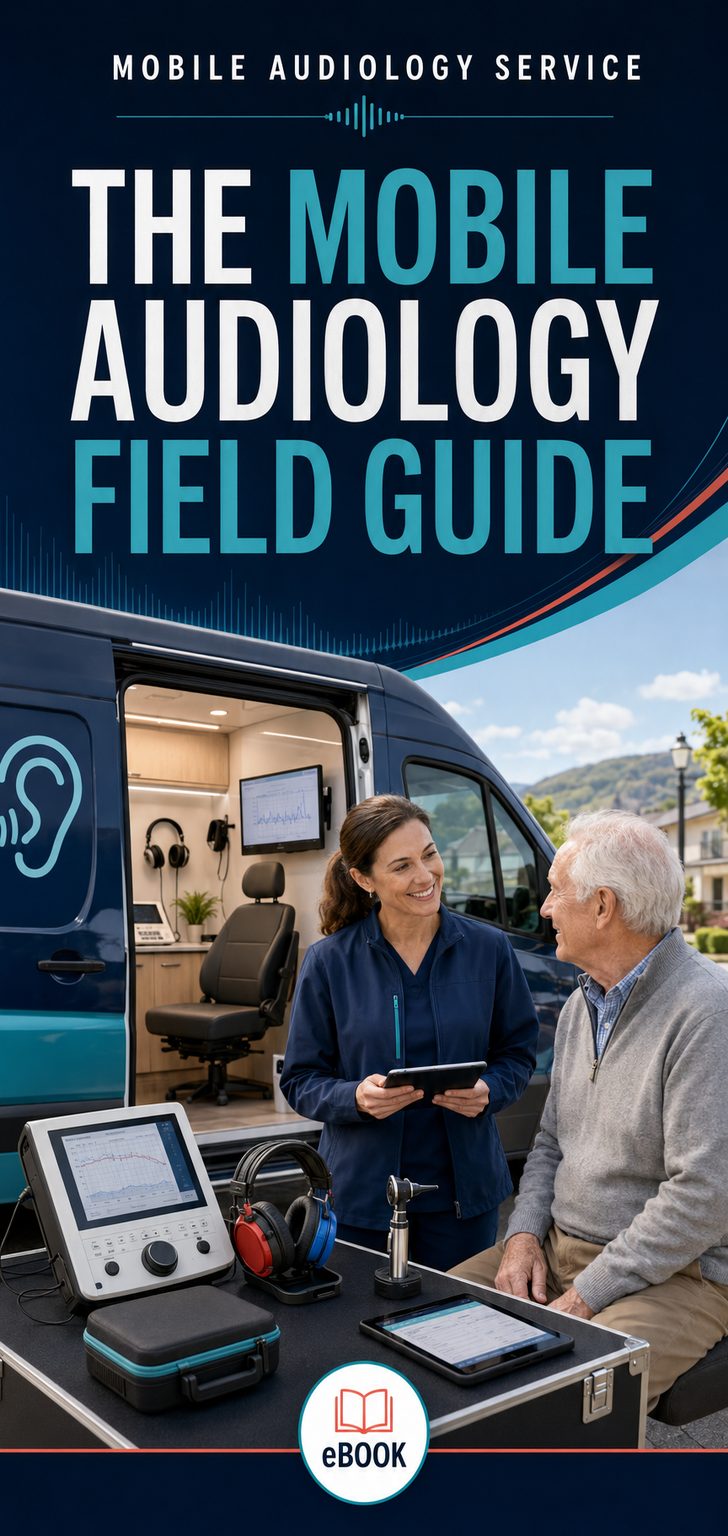
The Mobile Audiology Field Guide β€” eBook cover Get the eBook β€” $10
Electrical Safety

Isolated Power System Inspection & Recertification

Isolated power systems (IPS) and their line isolation monitors (LIMs) protect operating rooms, ICUs, and other wet procedure locations from ground faults and electrical shock. Mobile Audiology Service inspects, tests, and recertifies isolated power panels and LIMs to NFPA 99 and NEC Article 517 β€” verifying monitor accuracy, measuring total hazard current, testing alarms and reference points, checking receptacles and grounding, and delivering the documentation your facility needs for Joint Commission, CMS, and DNV accreditation. Scheduled annually or after any change, our recertification keeps your critical-care spaces compliant and your people protected.

Isolated Power System Testing & FAQ →
Transparency for our clients

Online Service Reports

Mobile Audiology Service and every member of the BiomedRx Service Network give clients a secure online service report portal β€” real-time access to every preventive-maintenance visit, repair, calibration, and compliance record for their equipment. Reports update automatically from the field, so documentation stays current and audit-ready.

View a Sample Report →
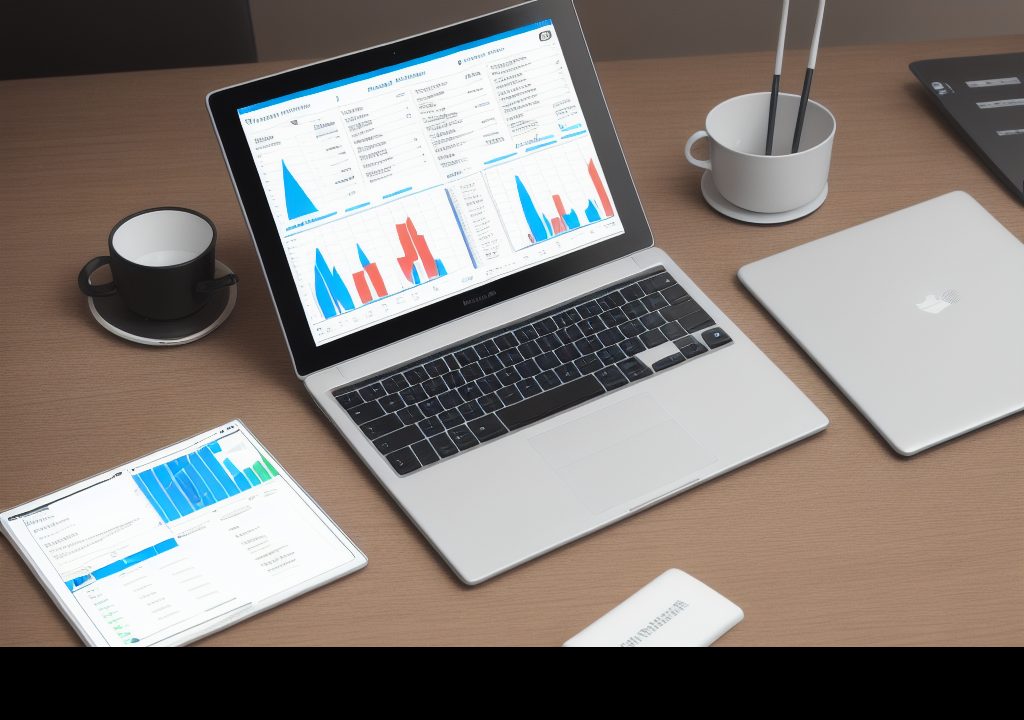
Online service report portal
Why Work With Us

The Mobile Audiology Service difference

We combine real expertise with genuine care β€” and we make it easy to say yes. We bring OSHA-compliant hearing conservation testing to the worksite, on calibrated equipment that documents its own test conditions, so a whole crew is screened without anyone losing a shift. Here is what you can expect when you work with Mobile Audiology Service.

Why work with us

Care that comes to you

Mobile, on-site hearing services that remove the barriers of travel, wait times, and access β€” OSHA even allows a full year for the baseline audiogram when a mobile testing unit is used, which is room enough to schedule around your production calendar.

Veteran-focused

We help eligible veterans navigate benefits and get the hearing care they have earned.

Precision testing

Calibrated, standards-based audiometry you can rely on for accurate results and confident decisions β€” audiometers calibrated to ANSI/ASA S3.6, ambient levels monitored against ANSI/ASA S3.1 throughout, and both recorded alongside every threshold.

Compassion first

A patient-centered team that treats every person with dignity and clear, jargon-free guidance.

FAQ

Frequently Asked Questions

What hearing services do you offer?
Hearing screenings, diagnostic audiometric testing, hearing aid fittings, and follow-up care.
Do you work with veterans and VA benefits?
Yes. We help eligible veterans access hearing care and hearing aids through applicable VA programs.
How often should hearing be tested?
Adults should have a baseline test and periodic re-checks, especially with noise exposure or noticeable changes in hearing.
How do I book an appointment?
Call (424) 204-2382 or email info@mobileaudiologyservice.com to schedule.
Do you need a sound booth for a valid hearing test?
No. Boothless audiometry with circumaural attenuation and continuous ambient-noise monitoring delivers ANSI S3.6-compliant testing in an ordinary room, proving its own test conditions.
What does an OSHA hearing-conservation program require?
Once noise reaches an 8-hour average of 85 dBA: a baseline audiogram, annual audiograms compared for standard threshold shift, hearing protection, and training β€” on calibrated audiometers.
Is occupational hearing-loss testing being reviewed?
Yes. The Department of Labor opened a comment period in June 2026 on hearing-loss testing methods, weighing the audiogram against objective tests, with comments due October 22, 2026.
Shop

Recommended on Amazon

As an Amazon Associate we earn from qualifying purchases. Prices and availability are subject to change.

Get cash back when you join Amazon Prime
View on Amazon β†’
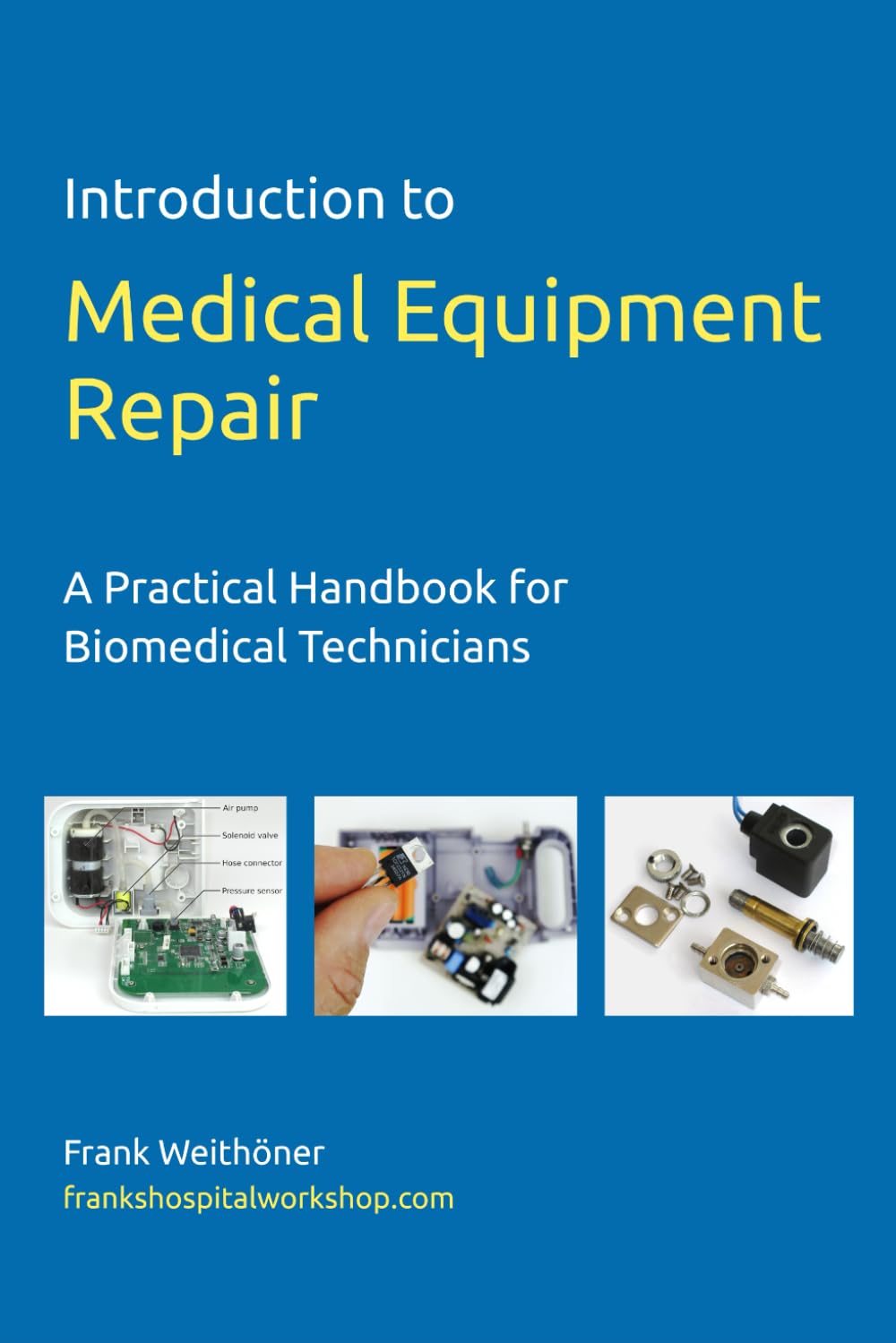
Introduction to Medical Equipment Repair
View on Amazon β†’
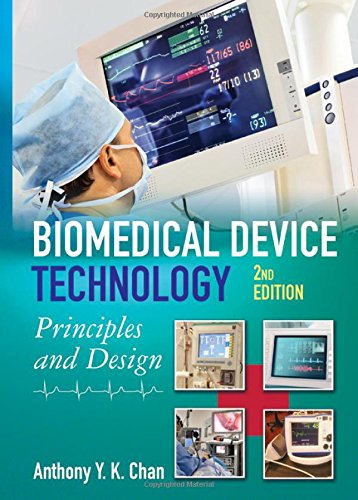
Biomedical Device Technology
View on Amazon β†’
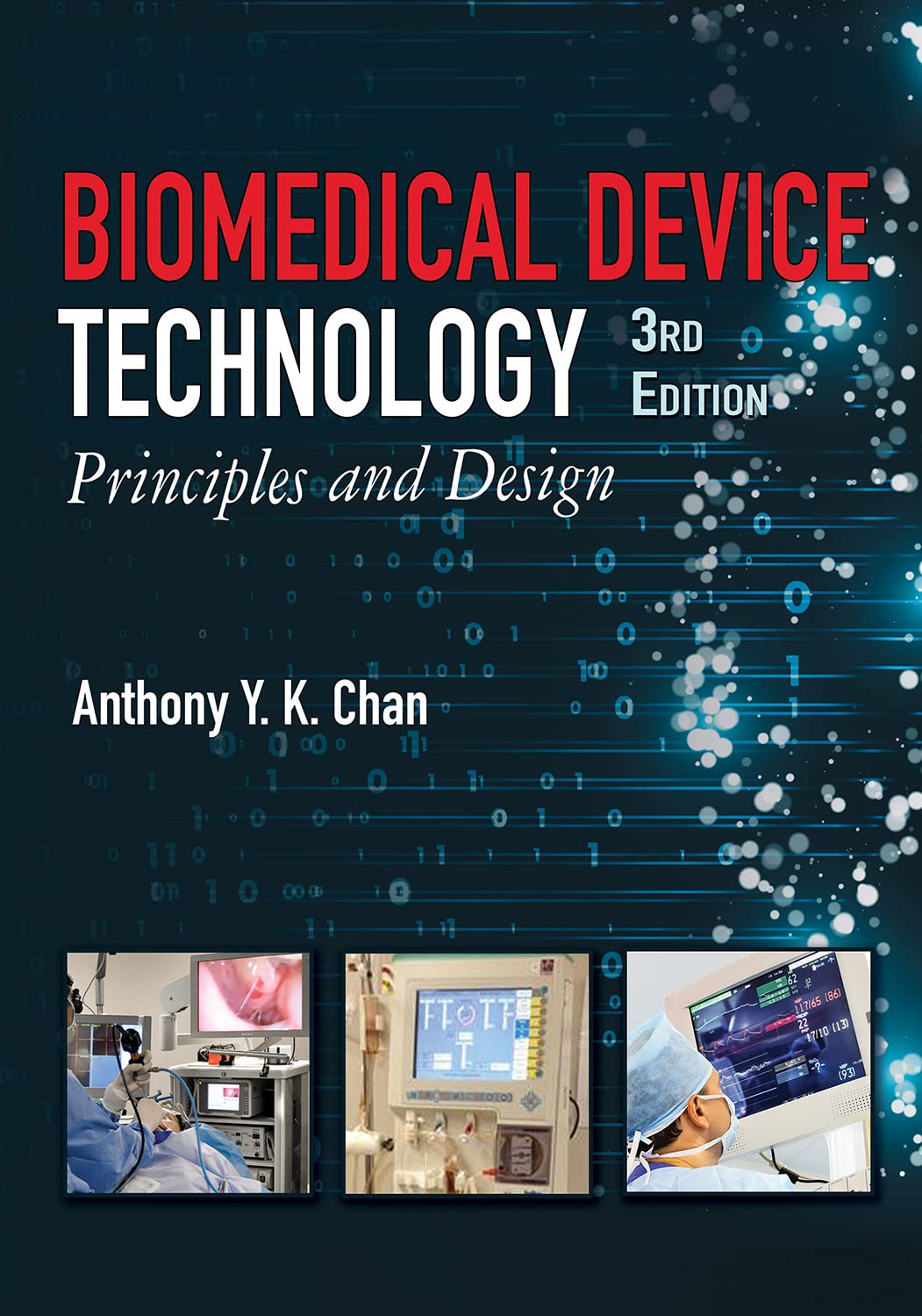
Biomedical Device Technology
View on Amazon β†’
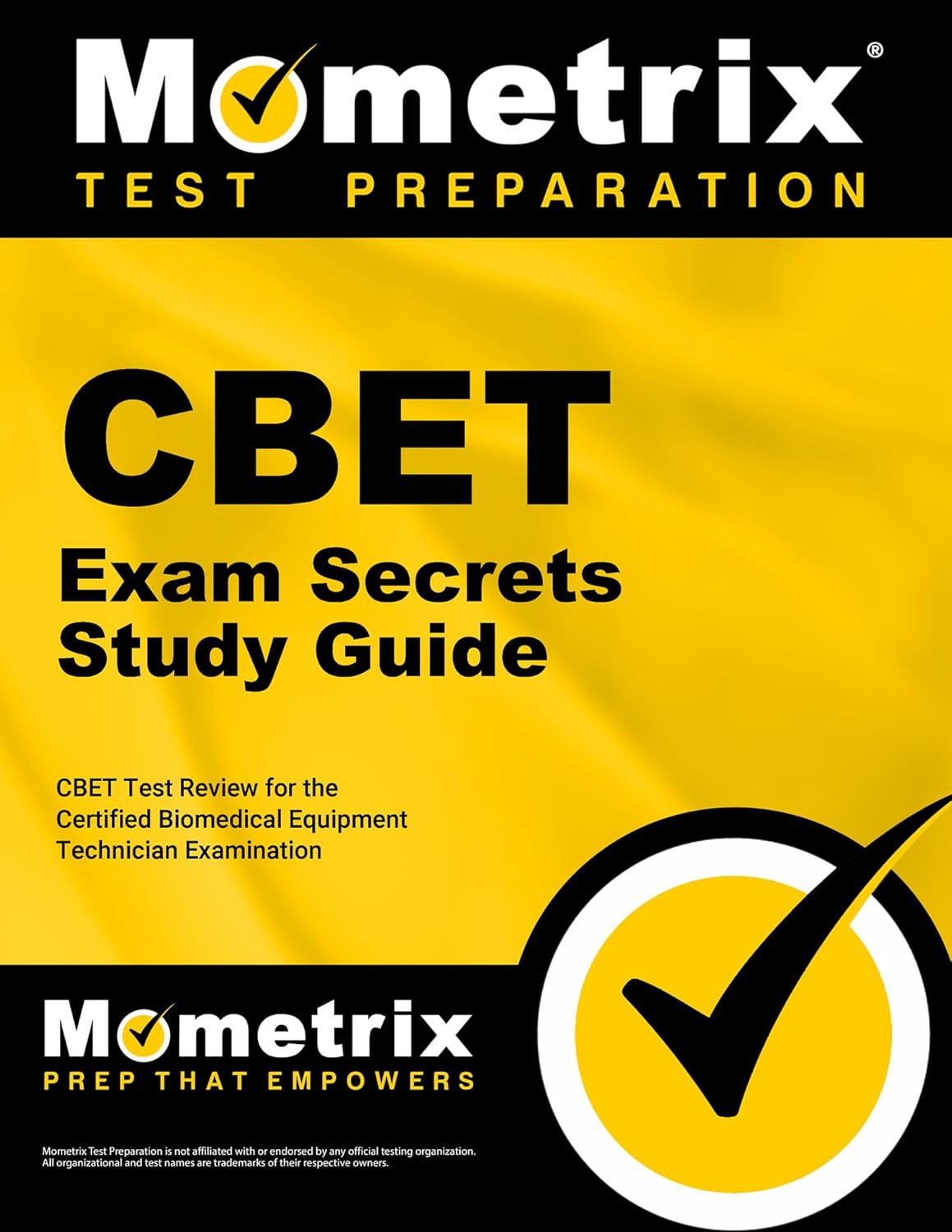
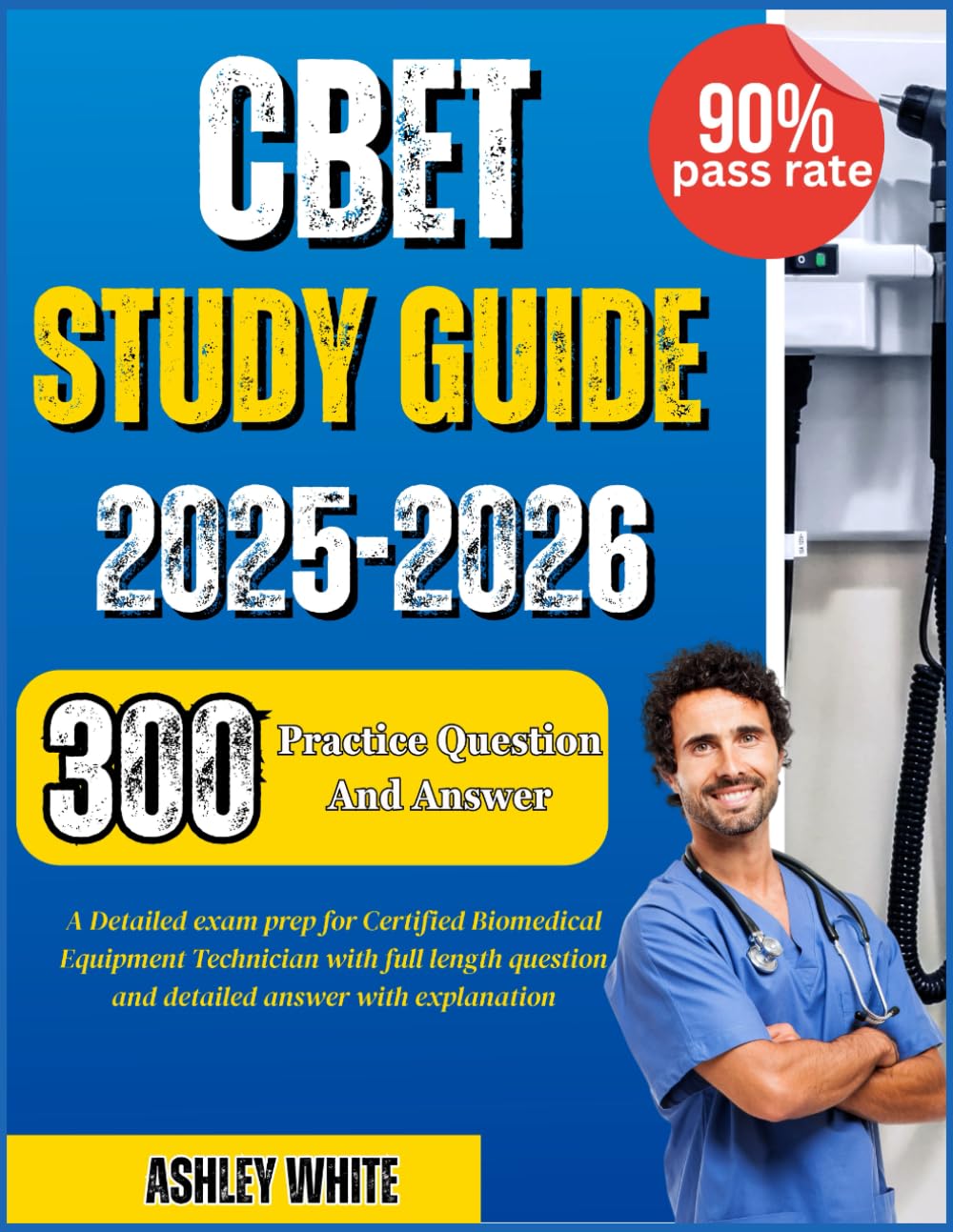
CBET Exam Study Guide
View on Amazon β†’
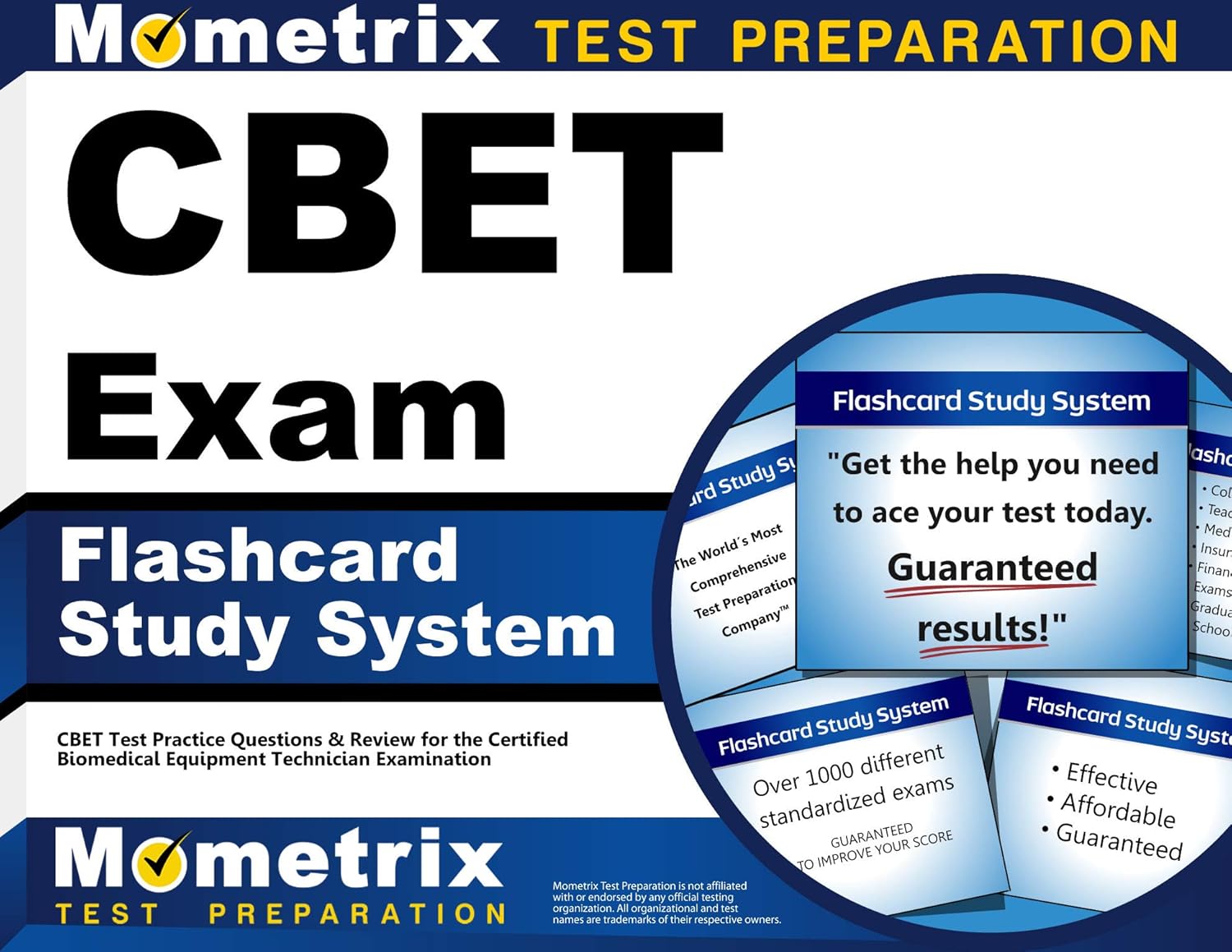
CBET Exam Flash Cards
View on Amazon β†’
Repair and Maintenance of Medical Devices
View on Amazon β†’
Biomedical Equipment Technician
View on Amazon β†’
Biomedical Equipment Maintenance and Safety
View on Amazon β†’
Medical Equipment Maintenance Management and Oversight
View on Amazon β†’
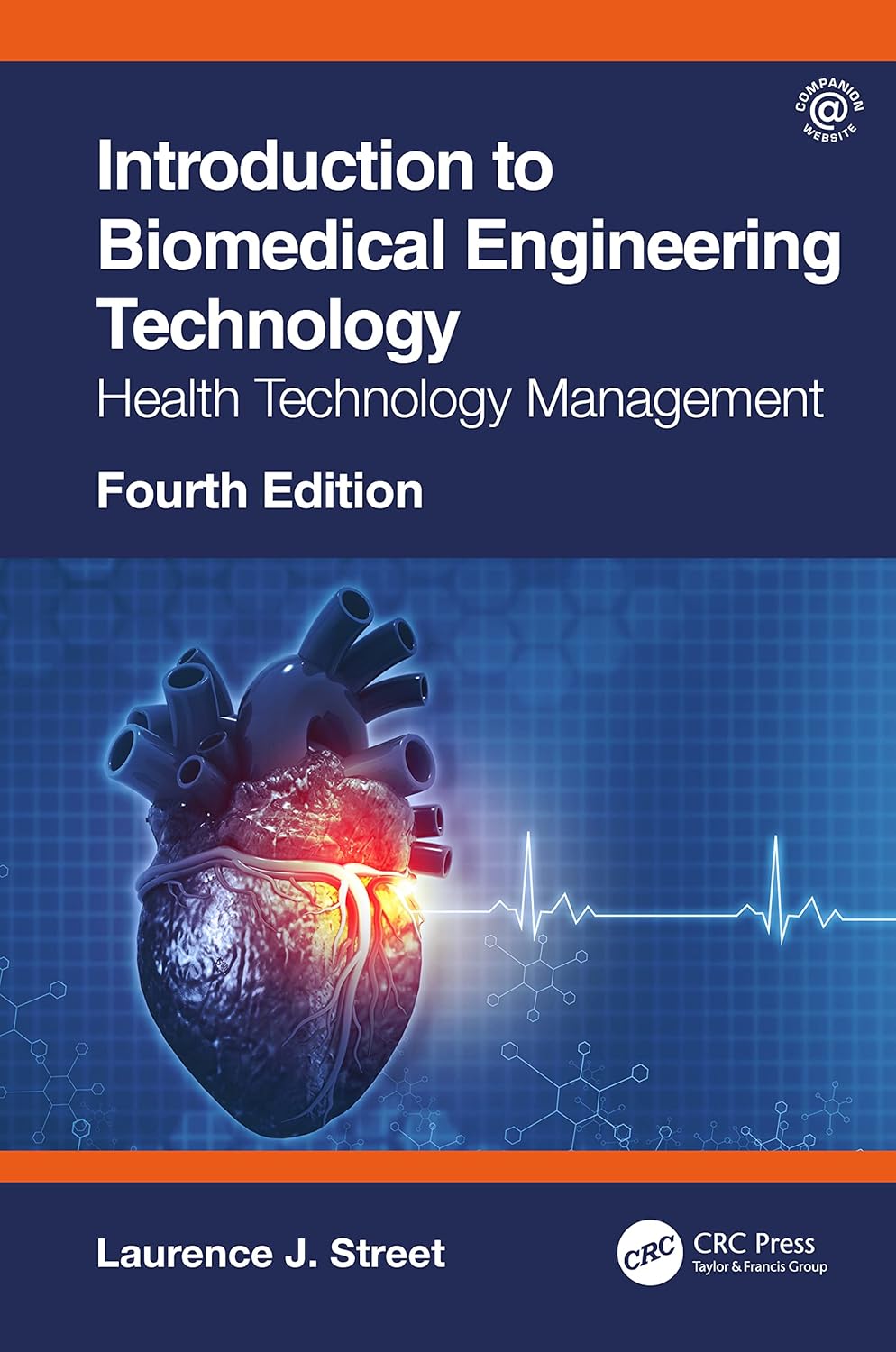
Introduction to Biomedical Engineering Technology
View on Amazon β†’
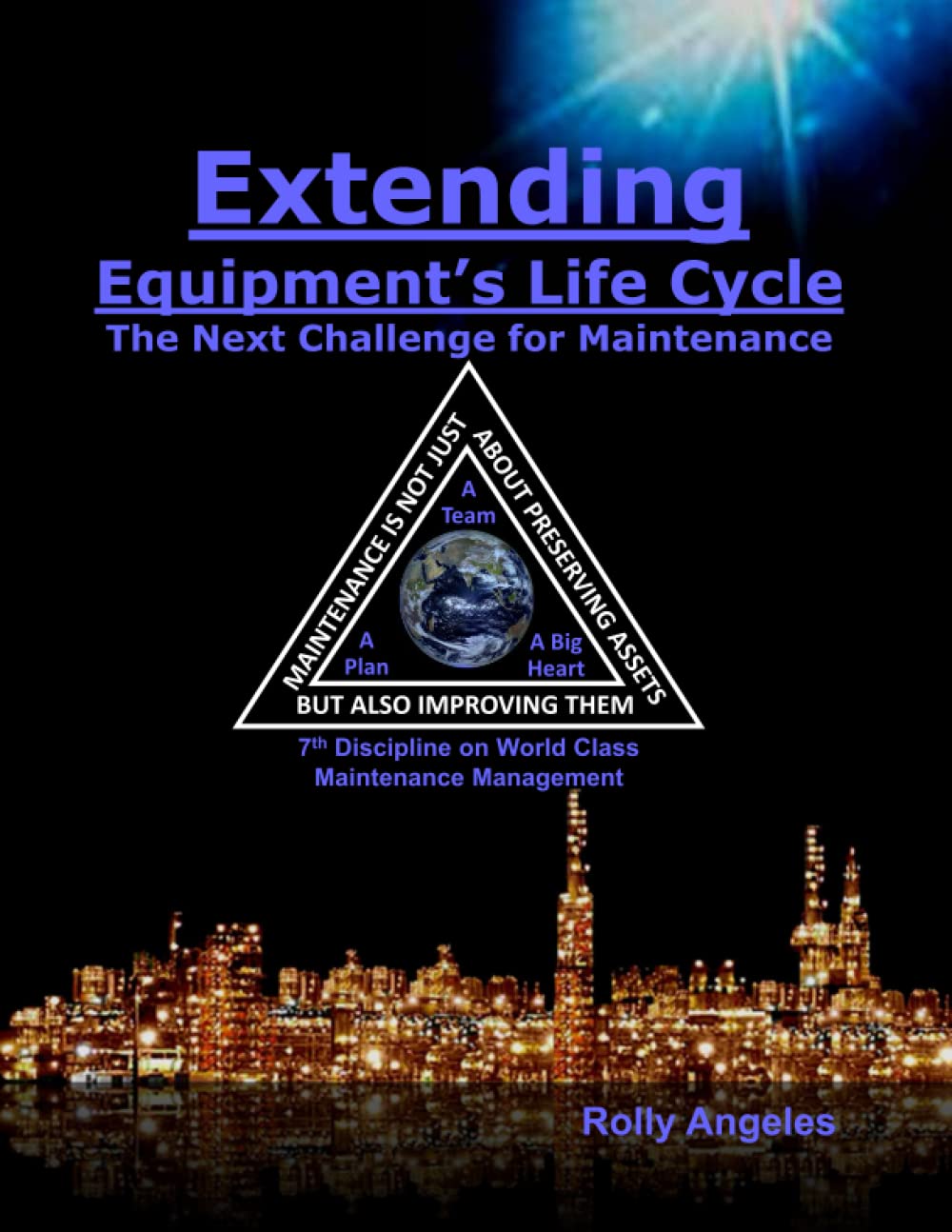
Extending Equipment's Life Cycle
View on Amazon β†’
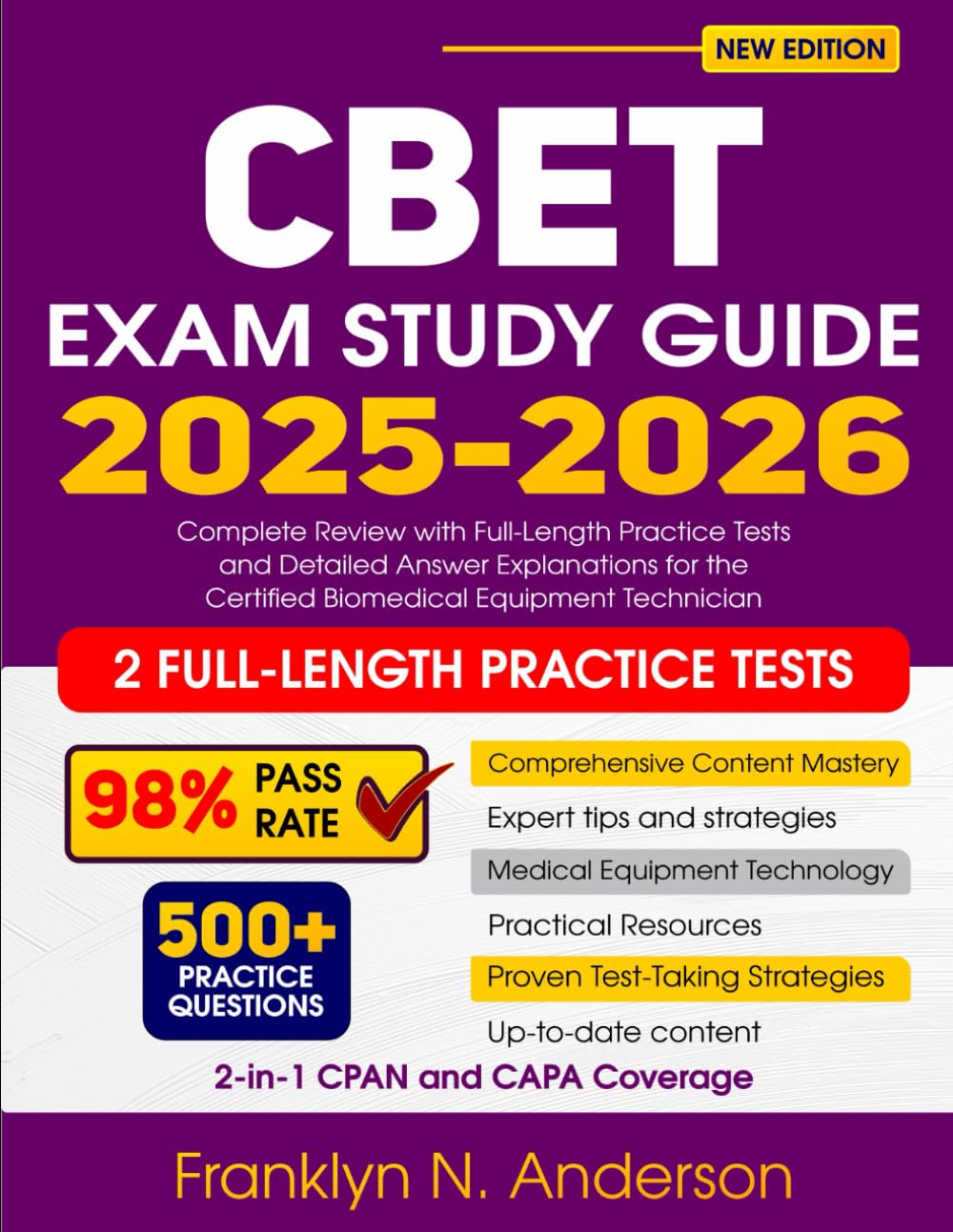
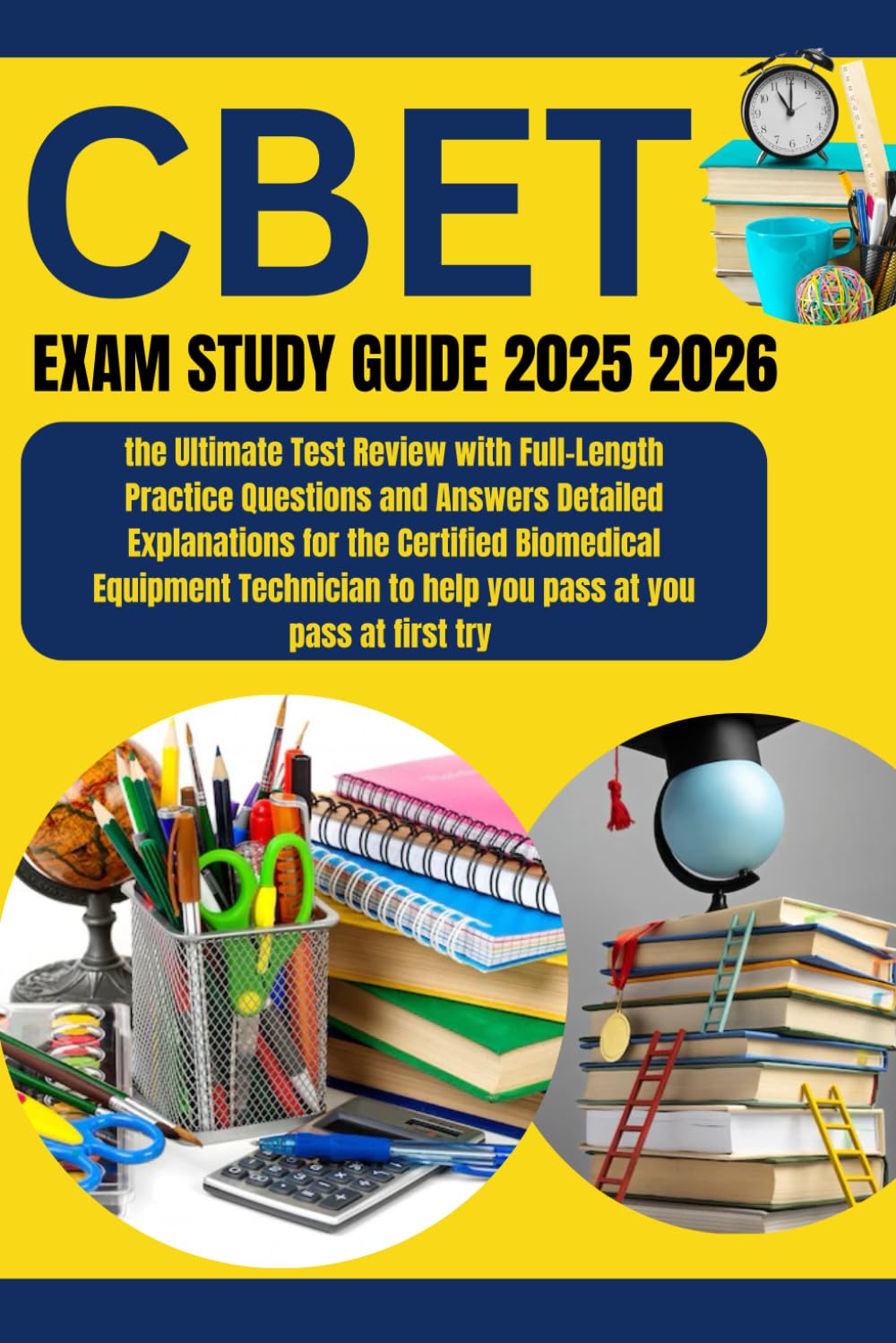
CBET Exam Study Guide 2025-2026
View on Amazon β†’
CBET Exam Study Guide 2025-2026
View on Amazon β†’
CBET Exam Study Guide 2025-2026
View on Amazon β†’
Careers as a Biomedical Equipment Maintenance Technician
View on Amazon β†’
CRES Exam Flash Cards
View on Amazon β†’
CRES Exam Study Guide 2025-2026
View on Amazon β†’
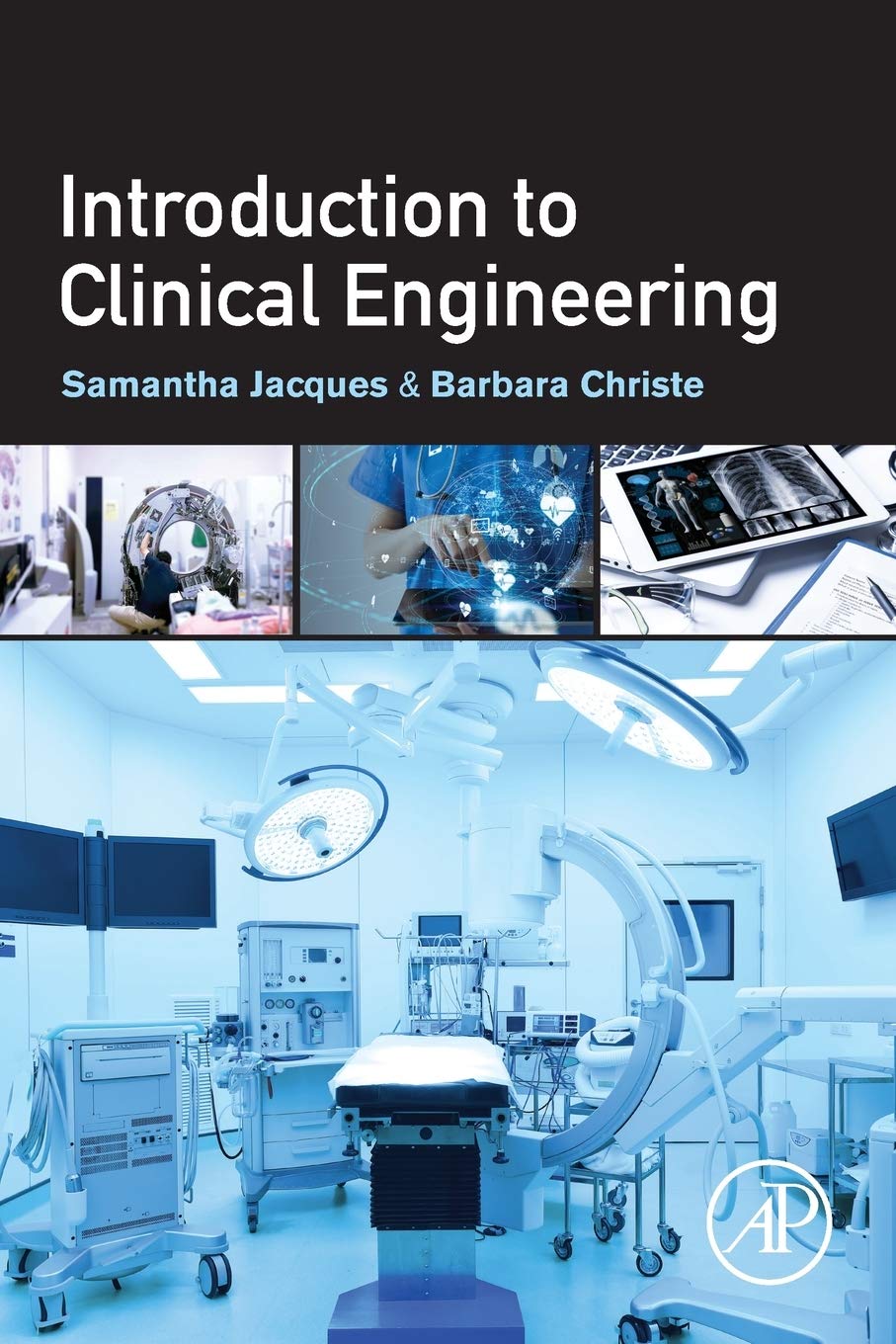
Introduction to Clinical Engineering
View on Amazon β†’
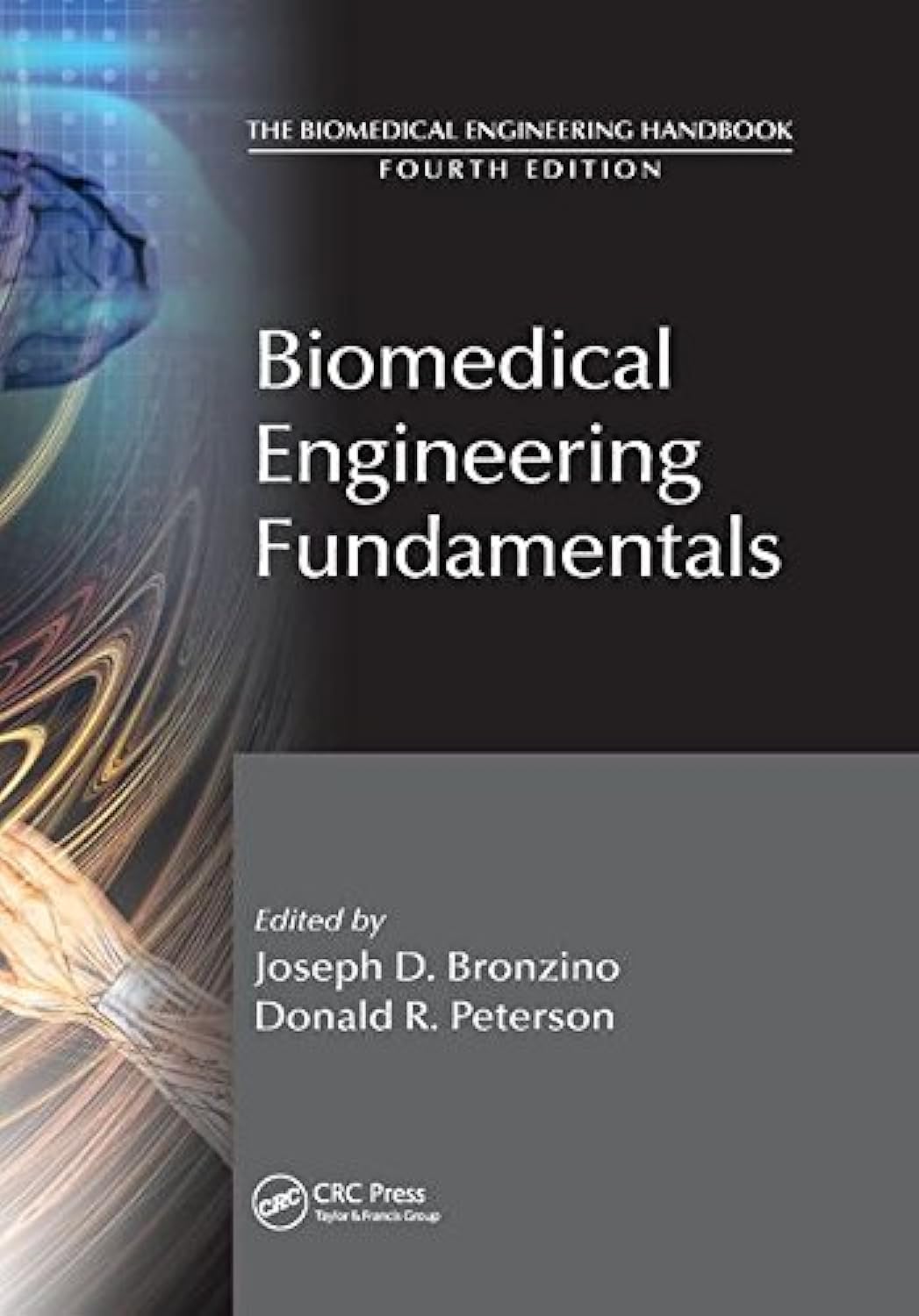
Biomedical Engineering Fundamentals
View on Amazon β†’
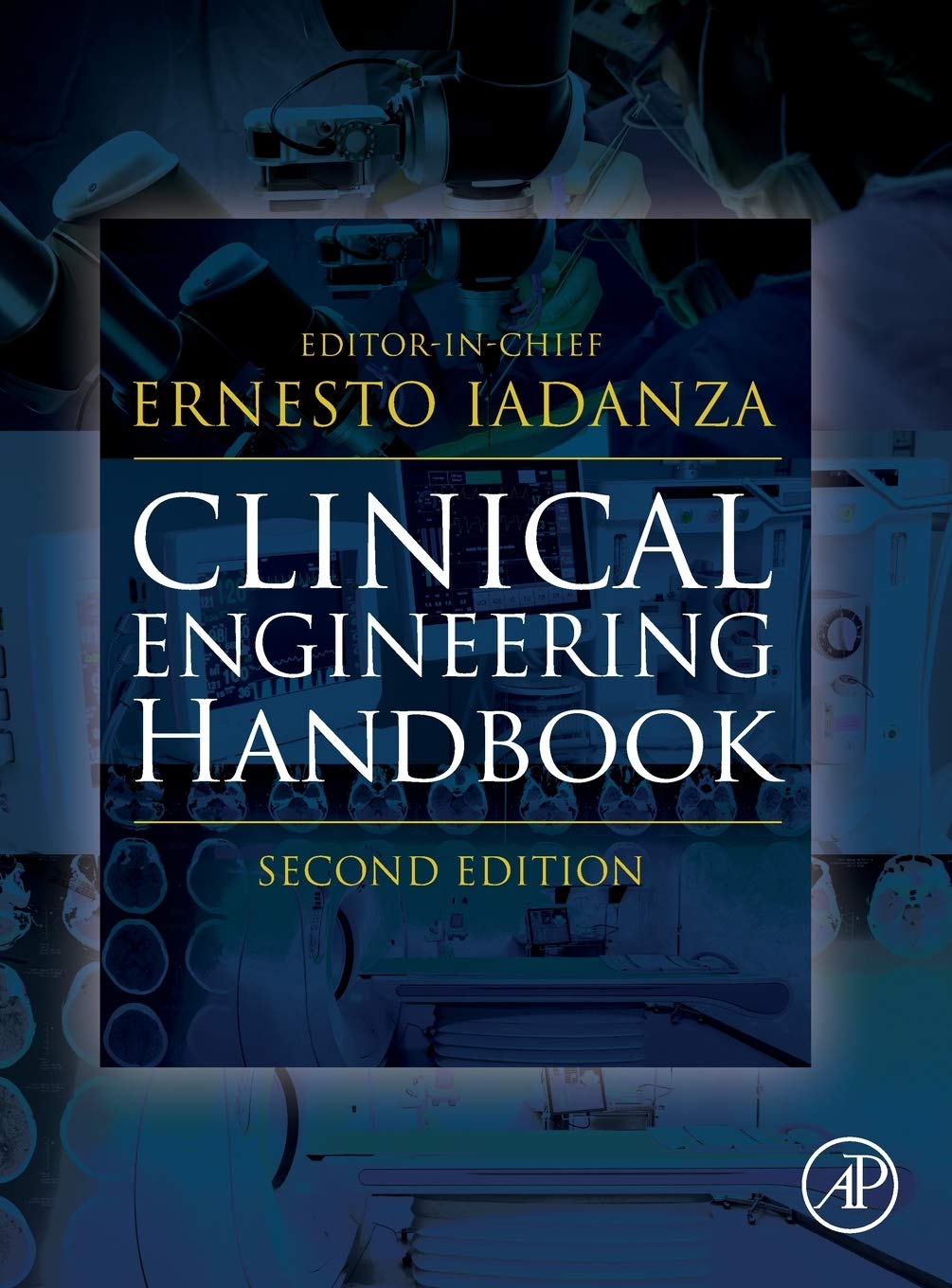
Clinical Engineering Handbook
View on Amazon β†’
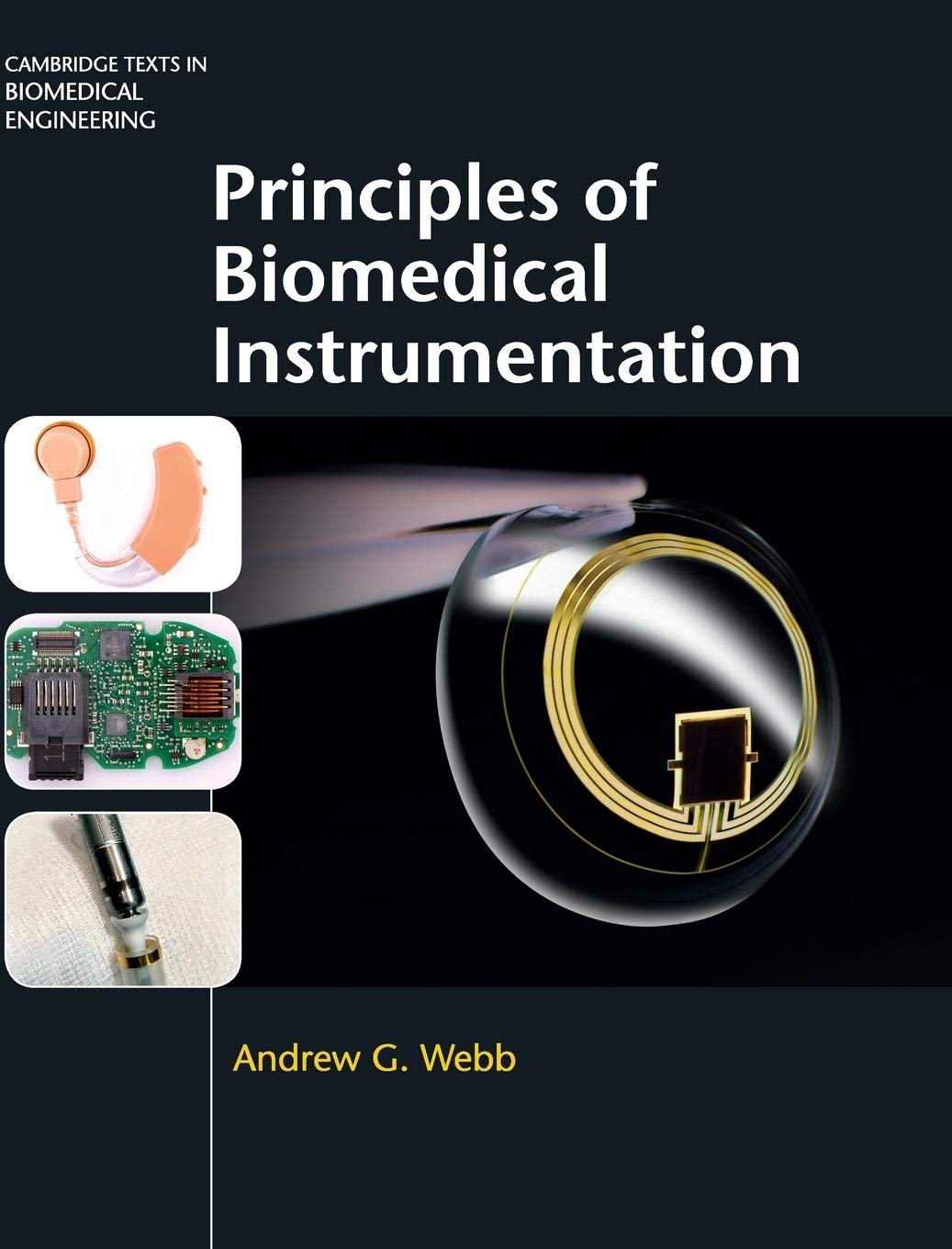
Principles of Biomedical Instrumentation
View on Amazon β†’
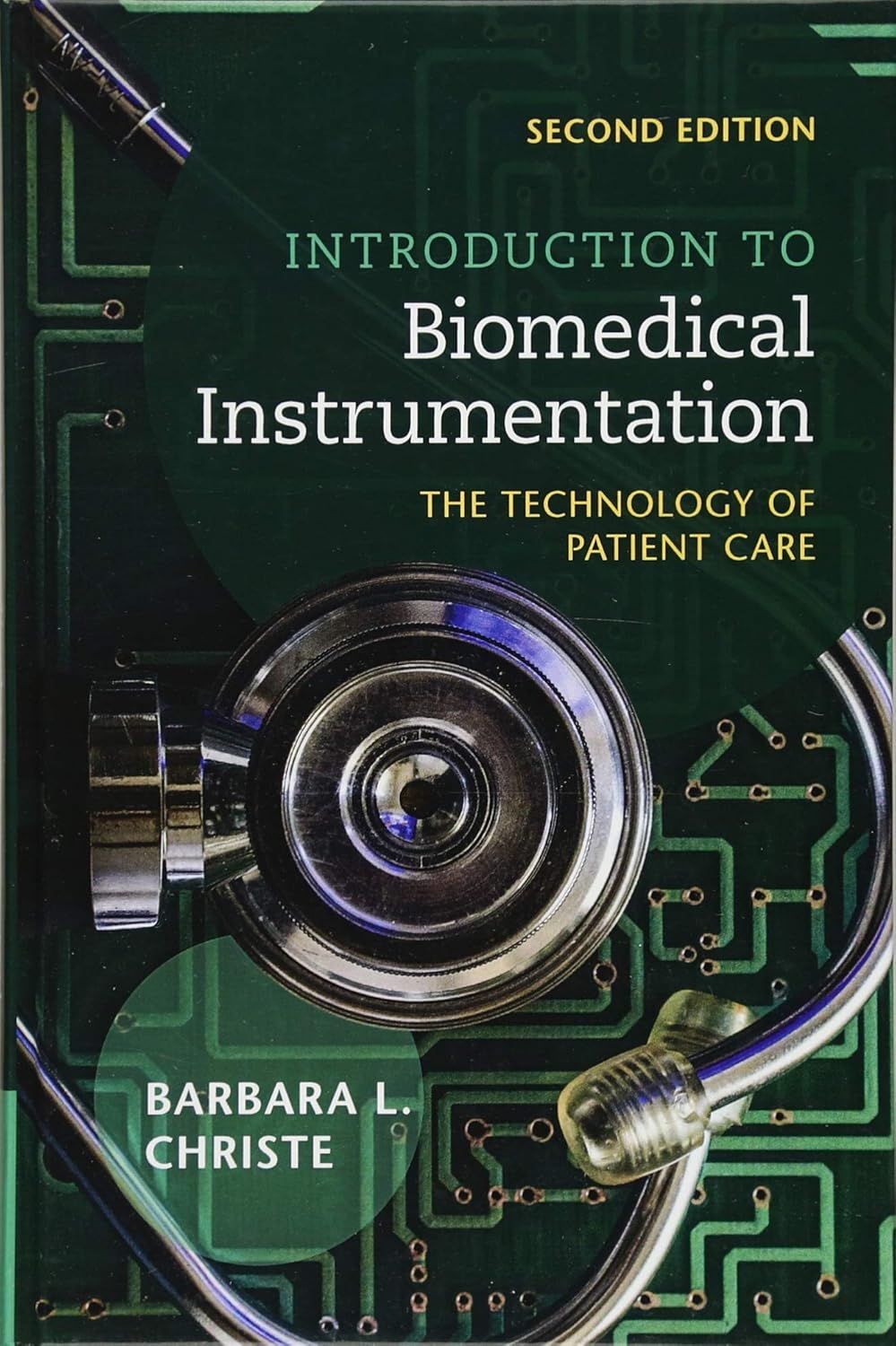
Introduction to Biomedical Instrumentation
View on Amazon β†’
Maintenance of Medical Technology
View on Amazon β†’
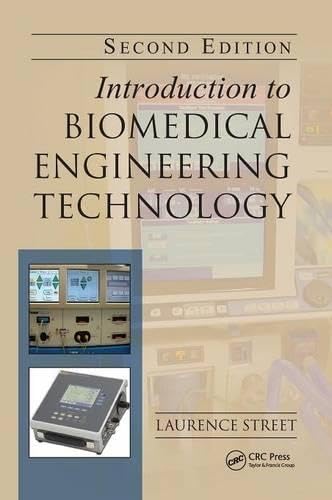
Introduction to Biomedical Engineering Technology
View on Amazon β†’
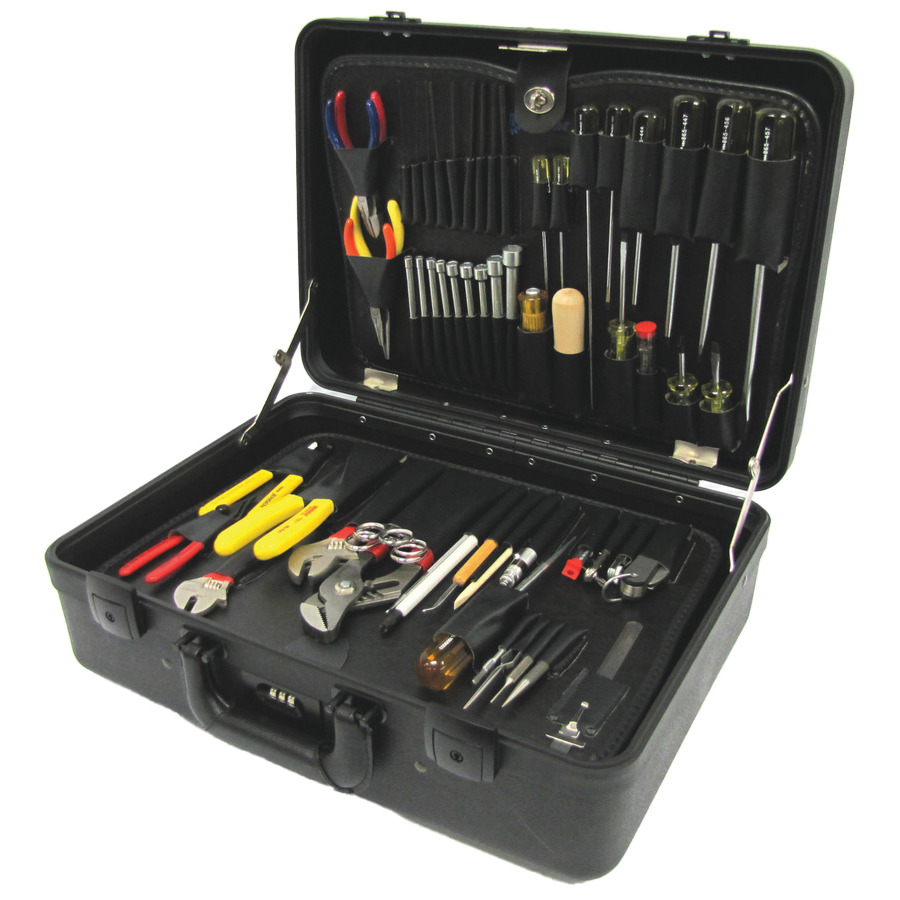
Jensen Biomedical Equipment Maintenance Technician Toolkit
View on Amazon β†’
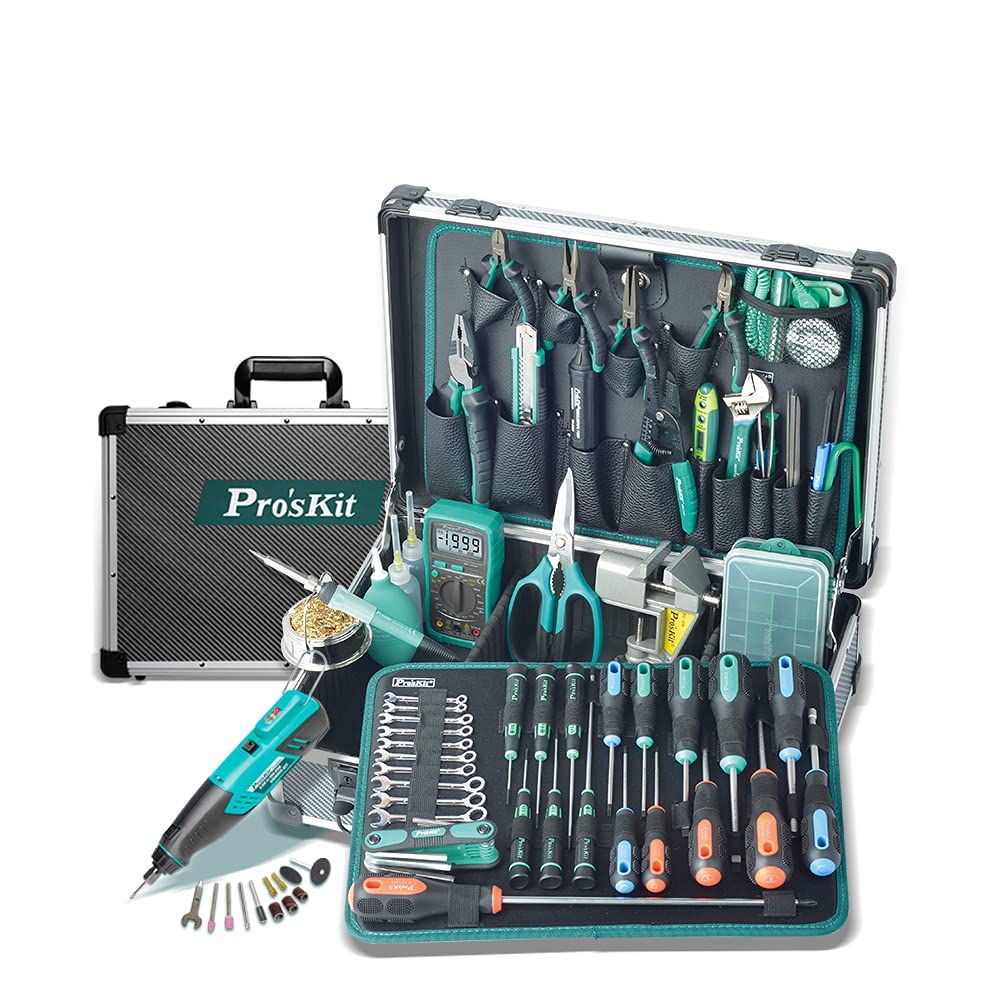
Pro's Kit Electronics Toolkit
View on Amazon β†’
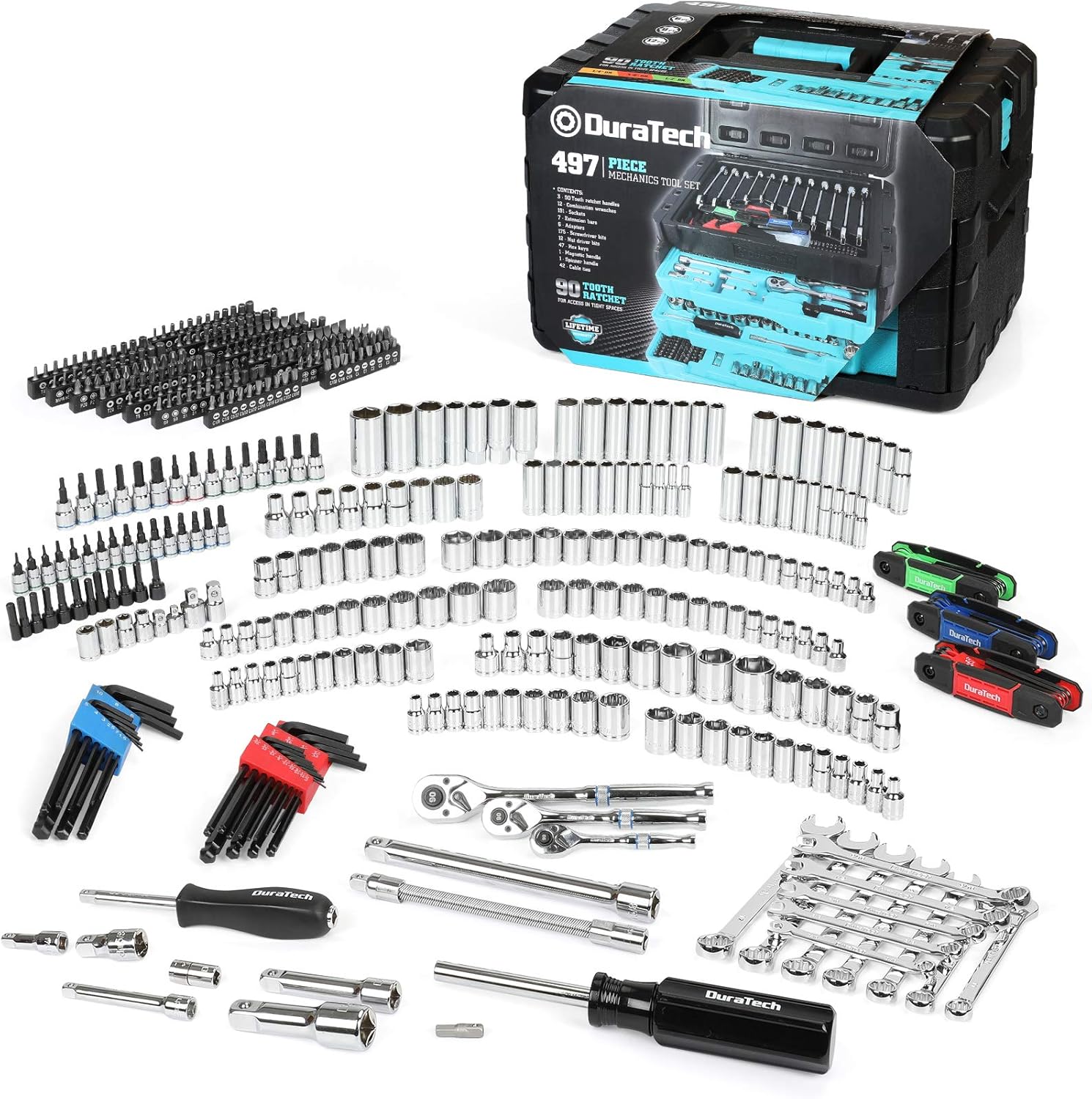
Duratech 497-Piece Mechanics Toolkit
View on Amazon β†’
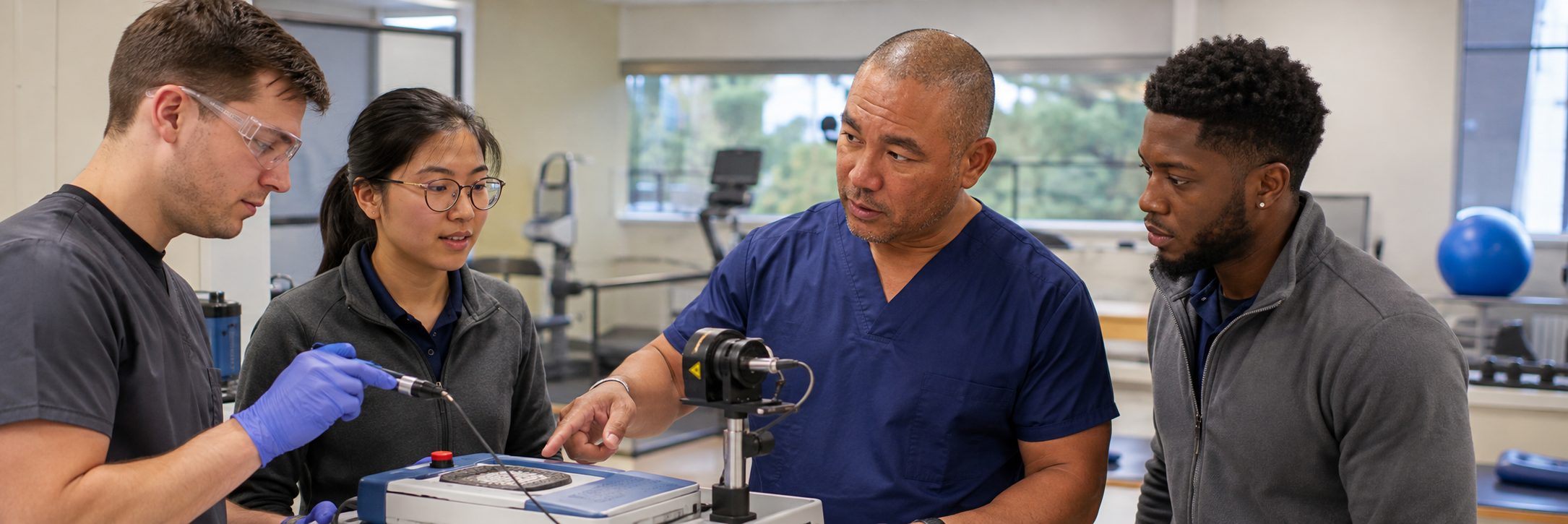
Laboratory instrument calibration on a precision test bench with an oscilloscope

Sources

Primary regulations and standards referenced on this page. Where a standard is published commercially it is named in full rather than linked to a copy.